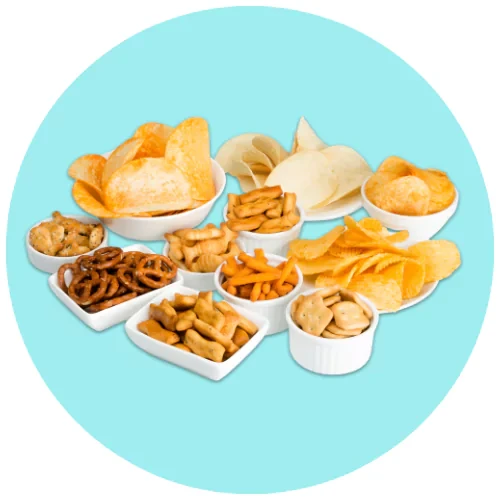

Direct answer: Yes — dry fruits can genuinely support heart health, and the science is clearest for walnuts, almonds and pistachios. Walnuts are rich in plant omega-3 fats, almonds are rich in vitamin E and magnesium, and pistachios help keep cholesterol in a healthy range. The benefit comes from eating a small, measured handful a day, unsalted, as a replacement for less healthy snacks — not from eating large bowls of salted or sugar-coated nuts. Dry fruits support the heart; they are not a medicine, and they work best as part of an overall healthy diet.
Large, long-running studies in many countries have found that people who eat nuts regularly have a lower risk of heart disease than people who rarely eat nuts. The link is consistent across almonds, walnuts, pistachios and mixed nuts, and it holds even after accounting for other healthy habits. Researchers believe the benefit comes from the combination of healthy fats, fibre, plant sterols, magnesium and antioxidants that nuts provide together — no single nutrient explains it alone.
It is important to be honest about what the science does and does not prove. Eating nuts is associated with better heart health, and clinical trials show that nuts improve cholesterol, blood pressure and blood sugar in the short term. But nuts are one part of a diet, not a cure. A handful of walnuts cannot undo a diet full of fried food, and no dry fruit replaces medicine prescribed by a doctor.
Walnuts have the strongest heart-health evidence of any nut, because they are the only common nut rich in plant omega-3 fats (ALA). Omega-3 fats help keep blood vessels flexible and support healthy cholesterol. Trials have found that eating walnuts daily can lower LDL ("bad") cholesterol and improve blood vessel function. For a full guide, read our article on best walnuts in Pakistan: how to choose premium quality.
A portion of 4 to 5 walnut halves a day is enough. Eat them raw or soaked, not candied or heavily salted. Walnuts are also one of the best nuts for brain health, which is why they are a regular part of the diet in many Pakistani homes.
Almonds are rich in vitamin E, magnesium, calcium and fibre. Trials have found that eating almonds daily can lower LDL cholesterol and help keep blood pressure in a healthy range. Almonds are also very filling, which helps people eat less of other, less healthy snacks. A portion of 6 to 8 almonds a day is enough. For a full guide, read our article on best almonds to buy in Pakistan and our guide on how to eat almonds for maximum health benefits.
Pistachios are rich in potassium, vitamin B6, fibre and plant sterols. Trials have found that pistachios can lower LDL cholesterol and help keep blood pressure in a healthy range, especially when they replace less healthy snacks. Because pistachios are eaten from the shell, people eat them more slowly and notice the portion — which helps with weight, and weight matters for the heart. Choose unsalted pistachios for heart health. For a full guide, read our article on best pistachios in Pakistan: buying guide and quality tips.
Cashews are rich in magnesium and healthy fats, and they are a good choice for the heart when eaten unsalted and in a small portion. Raisins and dates give quick energy and potassium, but they are high in natural sugar, so the portion must stay small. Figs are rich in fibre and potassium and support digestion and blood pressure. None of these is a "heart superfood" on its own — the benefit comes from the mix, eaten in small portions, instead of fried or sugary snacks.
Seeds also help: pumpkin seeds and flaxseeds are rich in magnesium, zinc and omega-3 fats, and they are cheaper than most nuts. A tablespoon or two a day, sprinkled on salad, yoghurt or porridge, adds heart-friendly nutrients at a low price.
Salt is the biggest problem for heart health in dry fruits. Heavily salted pistachios, cashews and peanuts add a lot of sodium, which raises blood pressure. If you eat nuts for your heart, choose unsalted or lightly salted. Sugar-coated and candied dry fruits are also a problem — the added sugar cancels out much of the benefit. Fried nuts, cooked in oil, add unhealthy fats and calories. The healthiest nuts are raw, dry-roasted or soaked, with nothing added.
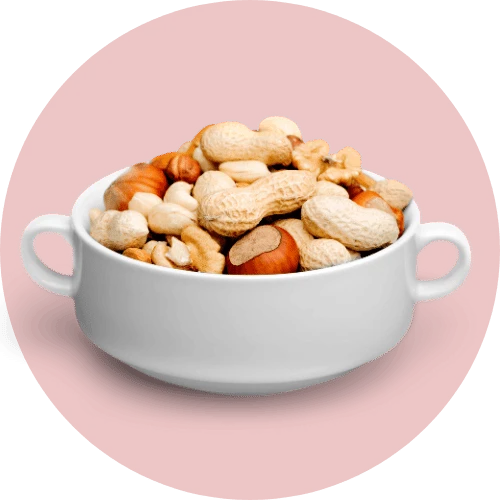
Keep it simple. Eat a small handful of mixed nuts — walnuts, almonds and pistachios — as a mid-morning or evening snack, instead of biscuits, namkeen or fried food. Soak almonds and walnuts overnight if you prefer them soft. Add seeds to porridge, yoghurt or salads. Keep the portion measured: a small handful, about 30 grams, a day is enough. For a practical mix, see our guide on how to make trail mix at home in Pakistan.
People who take heart medicine should not change their medicine because of this article. Dry fruits support the heart, but they do not replace a doctor's advice. If you have heart disease, high blood pressure or high cholesterol, talk to your doctor about your diet — and tell them you eat nuts, so they can advise on the right portion for you.
Walnuts have the strongest evidence, because they are rich in plant omega-3 fats. Almonds and pistachios also help, especially for cholesterol and blood pressure. A small daily mix of walnuts, almonds and pistachios is better than any single nut.
A small handful — about 30 grams, or 4 to 5 walnut halves, 6 to 8 almonds, and a small portion of pistachios — is enough. More is not better: nuts are calorie-dense, and a large bowl adds weight, which is bad for the heart.
Heavily salted nuts are not a good choice for heart health, because salt raises blood pressure. Choose unsalted or lightly salted nuts, and avoid eating large amounts of salted nuts every day.
No. Dry fruits support heart health as part of a healthy diet, but they are not medicine. Never stop or change prescribed medicine because of food. Talk to your doctor about your diet.
Raisins and dates give potassium and fibre, which help the heart, but they are high in natural sugar. Eat them in small portions — about 2 tablespoons of raisins, or 2 to 3 dates — and eat them with nuts rather than alone.
Both are fine. Raw nuts keep all their nutrients. Dry-roasted unsalted nuts are also healthy and taste richer. Avoid fried nuts and sugar-coated nuts, which add unhealthy fats and sugar.


All the power of niche in your pocket. Schedule, publish and monitir your accounts with ease.